We understand adhesives to be any chemical substance that can be applied between the surfaces of two materials to create a strong bond and prevent separation. This sounds great, but in practice, it's not so simple. Not all glues are suitable for all materials, and not all materials can be bonded with just any glue. Keep reading this post and
discover the keys to choosing the right glue! What do you want to glue?
Before choosing the adhesive you're going to use,
you need to consider a few things about the materials you're joining : are they rigid or flexible, porous or non-porous, and will they be indoors or outdoors? Also, keep in mind how much weight the joint will bear and whether it will be exposed to impacts or temperature changes. Below you'll find the different types of adhesives you can choose from depending on your purpose:
-
Glues for children. They are usually in stick form and are used for crafts. Suitable for gluing paper and cardboard.
-
Universal glue. Also known as white glue or carpenter's glue. It's the cheapest option on the market and very easy to use. Since it's a weak bonding agent that doesn't withstand heat well, it's best used for lightweight materials. That is, it's ideal for paper and light woods.
-
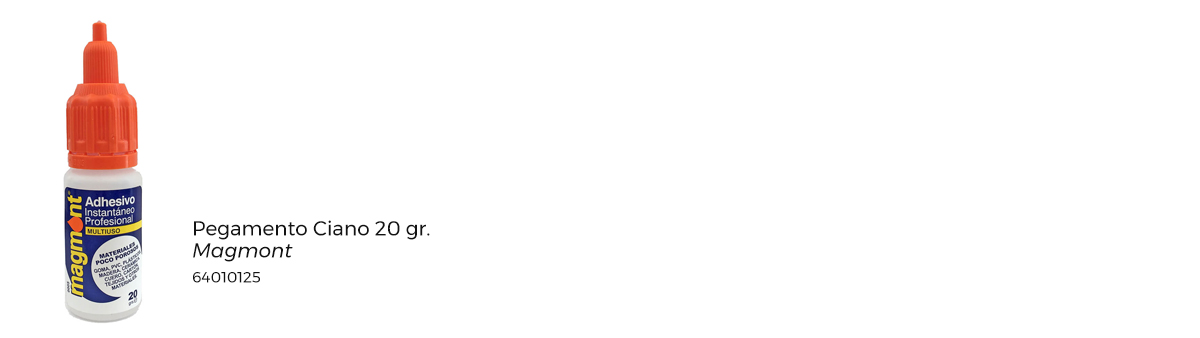
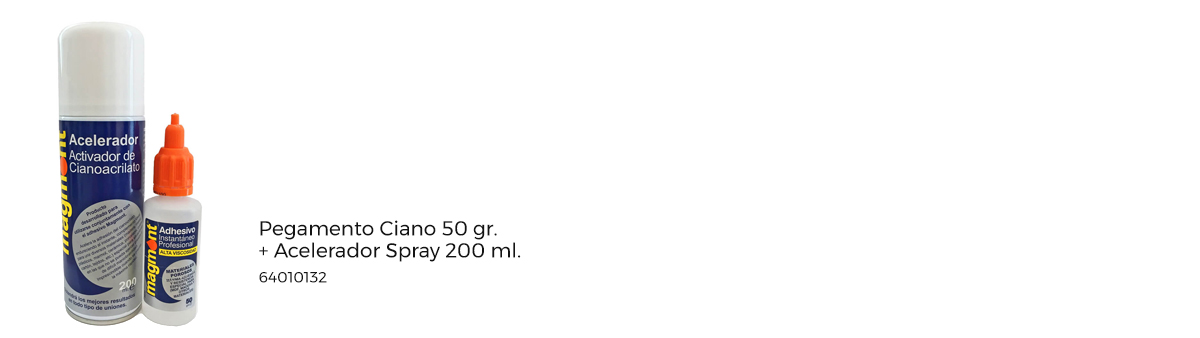
Instant adhesives. They bond objects through a chemical reaction triggered by moisture. They are known for their speed, creating a strong and barely visible bond. Their main characteristic is that they bond metals, ceramics, and ornaments in seconds. Be careful with your fingers!
-
Contact adhesives. These are used for very large surfaces that are not subject to high stress, such as boards or floor coverings. This type of adhesive is specifically designed for flexible bonds. They are available in yellowish colors, although you can also find transparent versions.
-
Two-component adhesives. They are very strong and can bond surfaces such as glass, plastic, metals… even stone! They must be mixed in equal parts and, upon application, produce a chemical reaction. They usually set very quickly, but avoid contact with skin.
-
Mounting adhesives. There are two types: universal and specific, depending on the material being joined. They are easy to use because, being made of a single component, they create strong and durable bonds. Unlike the previous types, their drying time is 24 hours.
-
MS polymers. The most relentless, capable of bonding to almost any material with maximum strength. They are made from a single component and are impervious to extreme temperatures, shocks, and vibrations. Of course, you have to wait about 24 hours to see these results. It couldn't be perfect!
 And it seemed simple enough to just use a little glue… As you've probably realized, there are many things to consider to get the job done right. Make sure the surface to be bonded is completely dry and free of dust and grease. This will guarantee adhesion. Follow our guidelines and you won't go wrong with your projects!


What type of glue does each material need?
What do you want to glue?
Before choosing the adhesive you're going to use, you need to consider a few things about the materials you're joining : are they rigid or flexible, porous or non-porous, and will they be indoors or outdoors? Also, keep in mind how much weight the joint will bear and whether it will be exposed to impacts or temperature changes. Below you'll find the different types of adhesives you can choose from depending on your purpose: