Saws and handsaws are hand tools used in woodworking and crafts (this is nothing new). However, not everyone knows that
choosing the right one for a specific task isn't easy . When it comes to these kinds of projects, you need to consider several factors to make the right choice. Unlike a professional, a hobbyist might feel overwhelmed, unsure of what aspects to consider when selecting a model. But don't worry,
keep reading and find the answers to all your questions! The keys to choosing the right option
Saws consist of a blade attached to a frame with screws. Hand saws, on the other hand, are made up of a toothed blade and a handle that fits comfortably in your hand. Before you begin, you need to choose the right tool. To do this, you should consider the following:
the type of material you'll be cutting, the desired finish, and the type of handle or blade you'll be using. 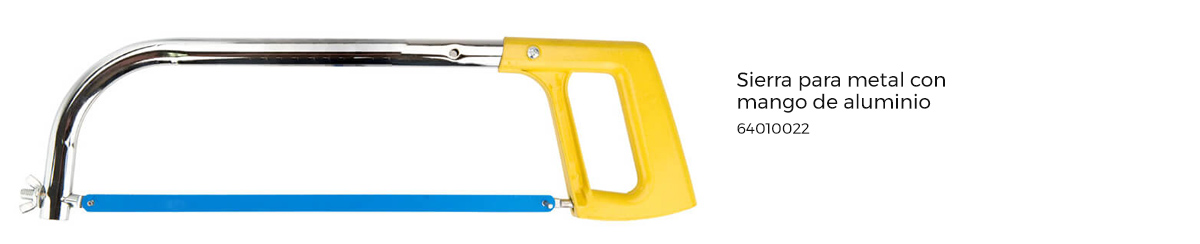 What material will you be cutting?
 These tools are suitable for cutting wood, metal, and plastic. Pay attention to the product label to choose the right one before you begin.
-
Wood and plywood . Here you'll find different models. On the one hand, the handsaw will be useful for large and thick boards, while the bow saw is more useful for marquetry and plywood.
-
Metal (also suitable for plastics) . Both a hacksaw and a handheld saw will be useful. The latter have a plastic handle for working with these materials or thin materials like aluminum.
-
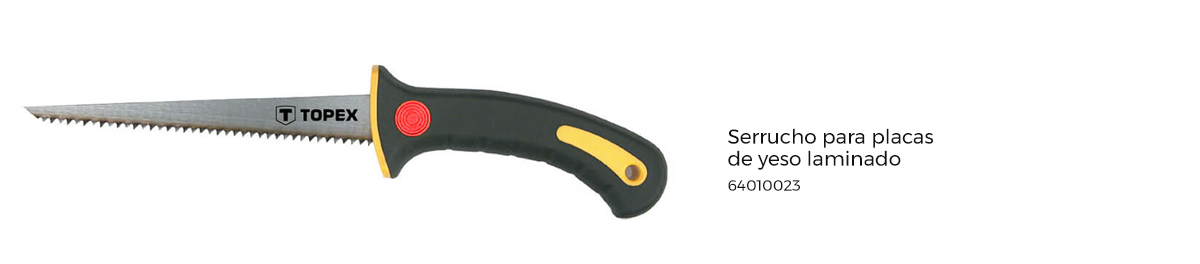
Plasterboard . Definitely a keyhole saw or a grooving saw.
What kind of cuts will you be making? If you need straight cuts, you should use a universal saw that can cut logs, curtain rods, and lumber. If you want straight or curved inside cuts, use a coping saw or a backsaw. Finally, if you want an angled cut, use a backsaw.
Which handle is right for you? This choice depends on how you intend to use it and for how long. One type of handle will be more suitable than another. You'll find three types:
- Plastic. Lighter and cheaper.
- A more natural feel.
- Rubberized: They offer a better grip and prevent slipping and calluses.
 As you've seen, there are several things to consider. However, all your questions have been answered thanks to the factors explained in this post. Now it's time to get to work!


Choose the handsaw and saw blade depending on the material you want to cut.
The keys to choosing the right option
Saws consist of a blade attached to a frame with screws. Hand saws, on the other hand, are made up of a toothed blade and a handle that fits comfortably in your hand. Before you begin, you need to choose the right tool. To do this, you should consider the following: the type of material you'll be cutting, the desired finish, and the type of handle or blade you'll be using.-
Wood and plywood . Here you'll find different models. On the one hand, the handsaw will be useful for large and thick boards, while the bow saw is more useful for marquetry and plywood.
-
Metal (also suitable for plastics) . Both a hacksaw and a handheld saw will be useful. The latter have a plastic handle for working with these materials or thin materials like aluminum.
-
Plasterboard . Definitely a keyhole saw or a grooving saw.
What kind of cuts will you be making? If you need straight cuts, you should use a universal saw that can cut logs, curtain rods, and lumber. If you want straight or curved inside cuts, use a coping saw or a backsaw. Finally, if you want an angled cut, use a backsaw. Which handle is right for you? This choice depends on how you intend to use it and for how long. One type of handle will be more suitable than another. You'll find three types: